The Most Dangerous Places To Drive In Denver In 2026

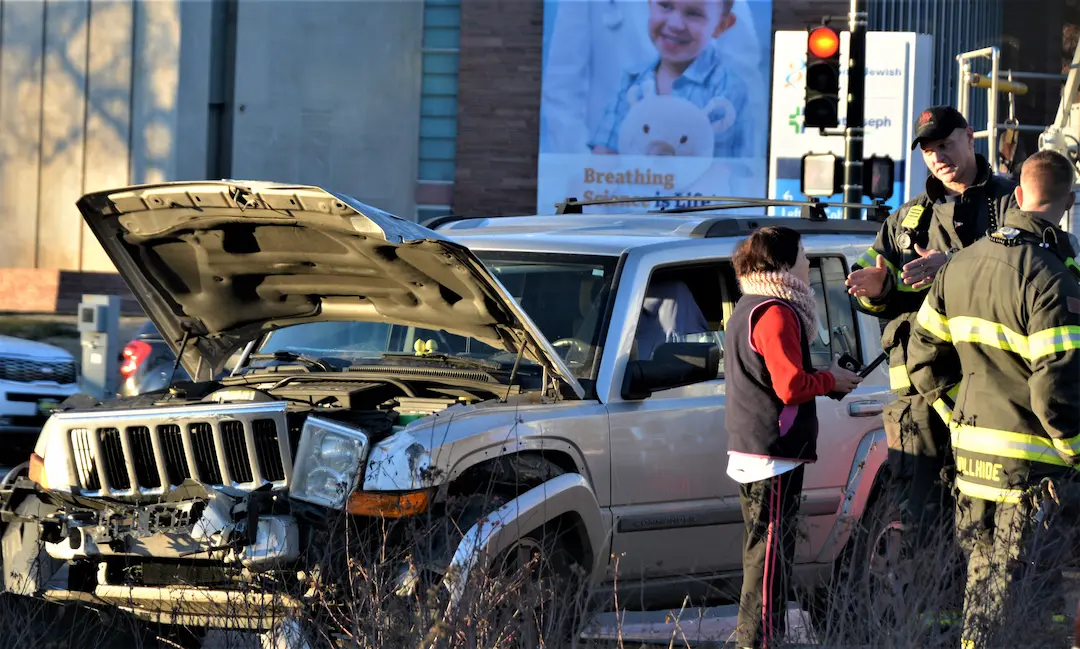
A Data-Driven Look At 2025 Crash Reports
Denver drivers see it every day: tight merges, high-speed ramps, crowded arterials, and sudden lane changes that turn routine trips into close calls.
To understand where crashes are happening most often, we analyzed 2025 traffic accident records from the Denver Open Data Catalog and identified the intersections, corridors, and patterns that show up again and again.
A Quick Note On What This Data Represents
This analysis reflects crashes where a police report was filed. That matters because it means the dataset likely understates the true number of crashes, especially minor incidents where drivers exchange information and leave without calling law enforcement. If the police did not come to your crash scene, here is what to do next when there is no police report.
How This Analysis Was Built
Data Scope
For this post, we filtered to crashes with a first occurrence date in 2025, totaling 19,070 crashes.
Data Quality And Limitations
- No duplicate incidents: Each incident_id is unique.
- Locations are complete: Every record includes an incident_address.
- Mapping coverage: Latitude/longitude are missing for 818 crashes, so maps can cover about 96 percent of incidents.
- Severity is not complete: Injury counts are missing for 516 crashes. Those crashes were excluded from severity-rate calculations.
- Location formatting varies: The same place can appear in different formats (example: “I25 HWYNB / W 6TH AVE” vs “20TH ST / I25NB”). We normalized casing, removed “HWY.”
Key Takeaways From 2025 Crash Data
- Denver’s biggest crash magnets are freeway interchanges, especially along I-25 and I-70.
- Rear-end crashes dominate, which usually points to congestion, tailgating, and stop-and-go traffic. If you were injured in a collision and are trying to understand your options, start with our Denver car accident attorney page.
- Midweek afternoons are the danger zone, with the highest crash volume during weekday rush-hour windows.
- Some locations are not high-volume, but still show high severe-injury or fatality rates, making them worth extra caution.
The Most Crash-Prone Intersections In Denver
Intersections were defined as locations containing a “/” delimiter (two named roads or highways). Ranked by total police-reported crashes in 2025.
Denver’s Most Crash-Prone Corridors And Road Segments
Corridors were defined as addresses without a “/” after removing house numbers and “BLOCK.” Ranked by total police-reported crashes in 2025.
Top Corridor
S Federal Blvd
124 police-reported crashes
Runner Up
Pena Blvd
117 police-reported crashes
Why Corridors Matter
Conflict Points
Driveways, turns, signals, merges, and lane changes
Why corridors matter: Corridors tend to rack up crashes because they have more conflict points: driveways, turn lanes, signalized intersections, merging traffic, and lane changes across long stretches. If you are ever in a crash on a major corridor and want a practical checklist for what to do next, here is a helpful guide on what to do after a car accident.
Where Serious Injuries Concentrate
The dataset reports SERIOUSLY_INJURED as the number of people seriously injured per crash. Ranked by total serious injuries in 2025.
Top Location
E Hampden Ave / I25NB
8 serious injuries (people)
Runner Up
I70WB / N Peoria St
6 serious injuries (people)
What This Highlights
Severity Clusters
High-speed areas and complex geometry can elevate injury risk
What stands out: Some high-injury locations are not the highest by crash volume. That often happens when a location combines higher speeds, complex geometry, or higher exposure to vulnerable road users. Locations with pedestrian activity can be especially unforgiving, which is why we maintain resources on Denver pedestrian accident cases.
Where Fatalities Occurred
Fatalities are thankfully rare in the dataset, but they are spread across multiple locations. Ranked by total fatalities (people) in 2025.
Top Location (Tied)
N Broadway St
3 fatalities (people)
Top Location (Tied)
E 44th Ave / N Josephine St
3 fatalities (people)
Important Context
Distributed Risk
Many additional locations recorded one fatality each
Many additional locations recorded one fatality each, which is an important reminder: severe outcomes are not limited to the “top crash” list.
When Crashes Happen Most Often
Midweek has the highest crash counts. This chart shows total police-reported crashes by day of week in 2025.
Highest Day
Thursday
2,970 crashes
Runner Up
Tuesday
2,923 crashes
Lowest Day
Sunday
2,283 crashes
If you need to verify what was documented about your crash, it can help to know how to get a copy of a Denver police accident report, since this dataset only includes crashes where a police report was filed.
Common Crash Types In Denver
The most common first harmful event was Front To Rear, which is the classic rear-end collision pattern. Ranked by count in 2025.
Most Common
Front To Rear
5,750 crashes
Second
Front To Side
4,629 crashes
What This Often Points To
Congestion
Tailgating, lane changes, and sudden stops on busy corridors
Why this matters: When rear-end and sideswipe crashes dominate, it often points to congestion, tailgating, frequent lane changes, and sudden stops, especially on high-volume corridors and merge zones. In the days after a crash, a common pain point is how early conversations with insurers can shape the claim, which is why this guide on what to say to insurance and what to avoid is worth reviewing.
Contributing Factors Worth Paying Attention To
A large share of reports list No Apparent Contributing Factor or Not Observed, which can limit conclusions. But among specific recorded factors, these are notable in 2025.
Most Common Recorded Factor
Looked/Did Not See
2,432 reports
Aggressive Driving
1,091
Tailgating, weaving, speeding patterns
Distraction (Combined)
1,492
Interior (1,028) + Exterior (464)
Practical takeaway: Even if a report does not explicitly label “phone use,” the patterns still point to attention failures and aggressive behavior as recurring themes.
The Locations That Look “Normal” But Are Not
These “severity mismatch” locations are not top-by-volume crash hotspots, but they show unusually high serious-injury or fatality rates (examples shown from locations with at least 10 crashes).
Highest Serious-Injury Rate (Tied)
0.27
Leetsdale Dr / S Forest St
Highest Serious-Injury Rate (Tied)
0.27
E 6th Ave / N Colorado Blvd
Highest Fatality Rate
0.15
I225SB / I25SB
These are the kinds of locations that deserve a “watch list” section in the blog because they are easy to overlook.
What To Do After A Crash In Denver
This is general information, not legal advice.
- Call 911 if anyone may be injured or if the scene is unsafe.
- Stay at the scene and cooperate with law enforcement if they respond.
- Document what you can safely: photos, vehicle positions, street signs, and contact information for witnesses.
- Be careful with statements at the scene. It is fine to exchange information, but avoid guessing about fault in the moment.
- Request a copy of the crash report when available. If you want a more detailed step-by-step process you can follow right away, use this Denver crash checklist.
Talk To Chalat Law
If you were injured in a Denver crash, understanding the facts matters, especially when liability, insurance coverage, and long-term costs are disputed. Chalat Law helps clients make sense of what happened, what the report says, and what options exist. You can learn more about working with a Denver car accident attorney or explore our motor vehicle accidents practice area.
If you would like to discuss your situation, you can reach out for a consultation.
Final Thoughts
The 2025 crash data shows clear patterns: freeway interchange zones dominate volume, major corridors dominate frequency, and midweek afternoons dominate timing. But the most important insight is this: high-volume crash locations are not the only places that matter. Some locations show outsized severity even with fewer total crashes.
We will continue tracking the Denver Open Data Catalog data so drivers and families have clearer visibility into where risk concentrates and what can be done to reduce it.